Serial Founder · AI Builder
Wu Jingchao 武靖超
Full-stack and product. I have written smart contracts and trained models, founded companies and raised funding, and shipped solo as an indie developer. Lately I have been trying to get agents to run like a company on their own, with humans only supplying resources and judging asynchronously.
“On the road to agents that stay autonomous over the long term, the human's job is to inject strategy, taste, and resources. What matters most in a harness right now: reliable verifiers, and a way to inject aesthetic preference.
— The judgment running through all of this work
AI Projects
Weaver→
An asynchronous, fully autonomous agent harness. An orchestration layer wrapped around coding agents (
claude -p / codex exec), built for the problem that a single session cannot carry a large project: Spec defines what counts as done, Task Graph persists work and dependencies as a DAG, and Node Loop takes each node through execution, reflection, and adversarial audit, with adversarial acceptance by an independent task on the graph.The code control layer handles only decidable facts — DAG scheduling, crash-and-rerun, tiered timeouts, watchdogs, dead-loop arbitration; all judgment goes to models with context. Humans never enter execution: they input goals and judge output asynchronously, feedback is rewritten into the graph by the Planner, and waiting freezes only one dependency edge. A dozen roles, fifty-plus skills, declarative infrastructure and reference libraries; multiple real projects completed (mobile apps, games, tools), including Lope, an experimental branch that shrinks the structure to its limit.
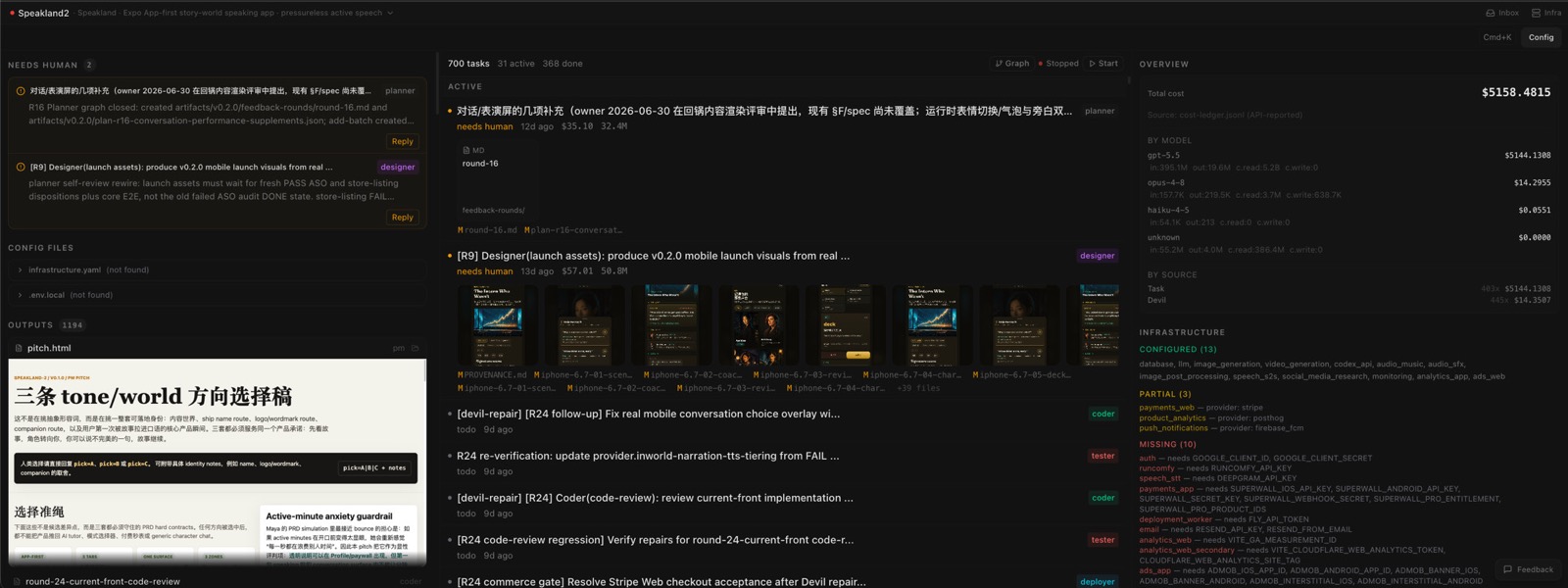 Technical deep dive: architecture · mechanisms · ablations & incidents →
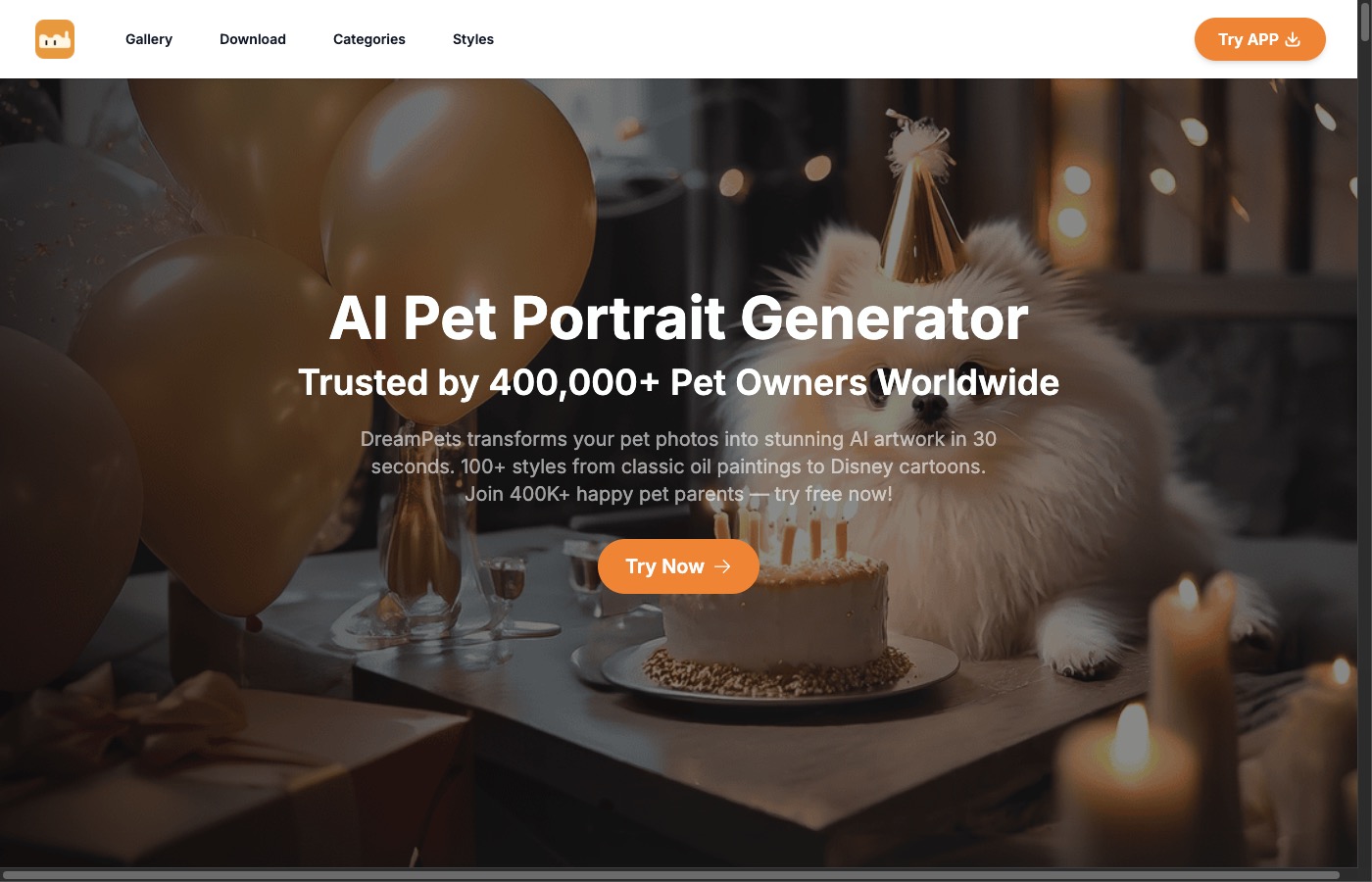
DreamPets→
AI pet imagery product, MiraclePlus (formerly YC China) S23. Nearly 100K users within the first month, from zero and with zero paid acquisition; hundreds of thousands more overseas afterward. Solo full-stack on the product side (Mini Program / Android / iOS / Web); on the model side, pet fine-tuning built on an extended IP-Adapter — dual-stream face+body ID fusion, custom multi-task losses, DeepSpeed multi-GPU distributed training, dual SDXL / Flux backbones. Consistency on distinctive coat patterns (tortoiseshell, cow-spot, etc.) is the core technical moat.
dreampets.ai →
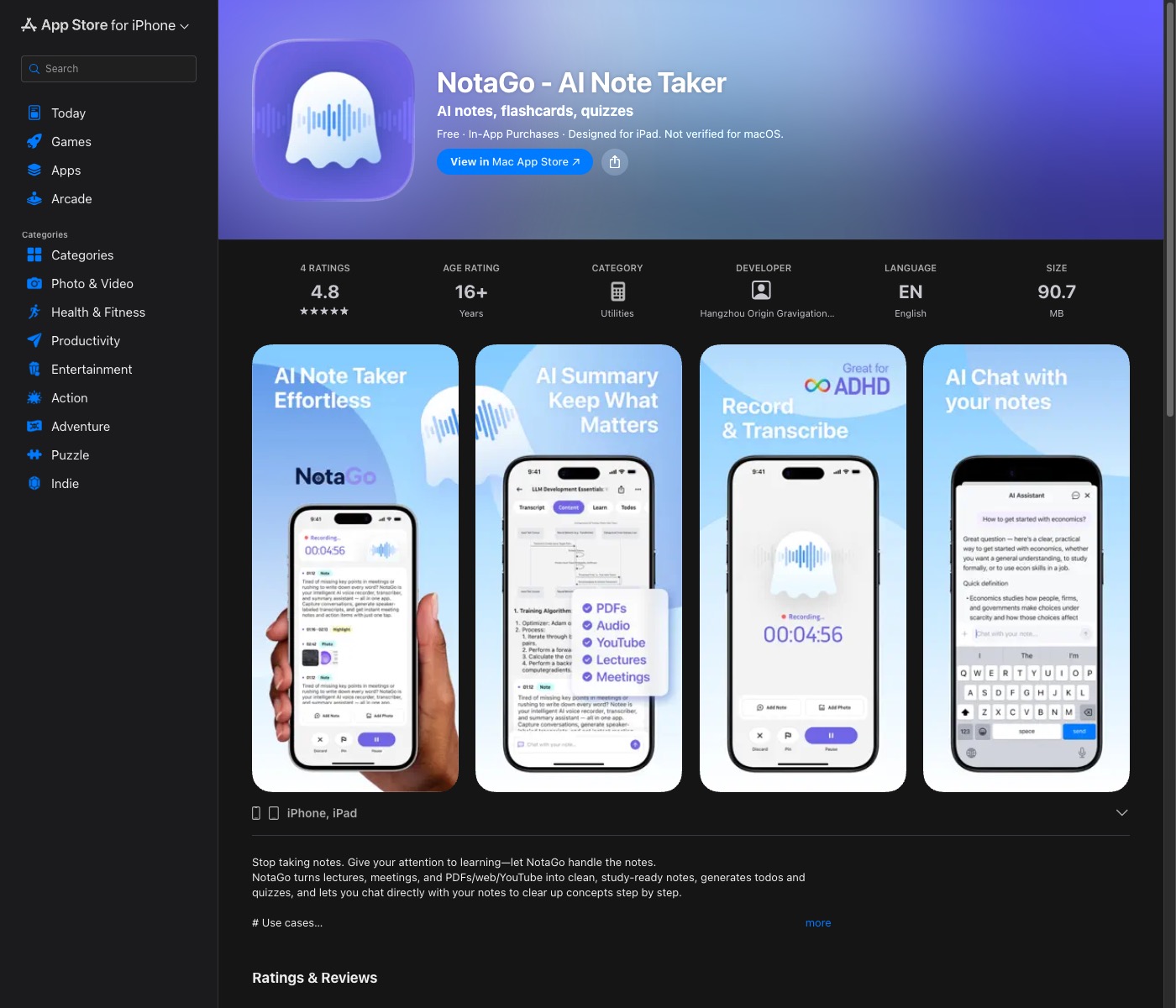
NotaGo→
Full-stack agent application — AI notes / voice transcription. Built solo and shipped to the App Store.
App Store →
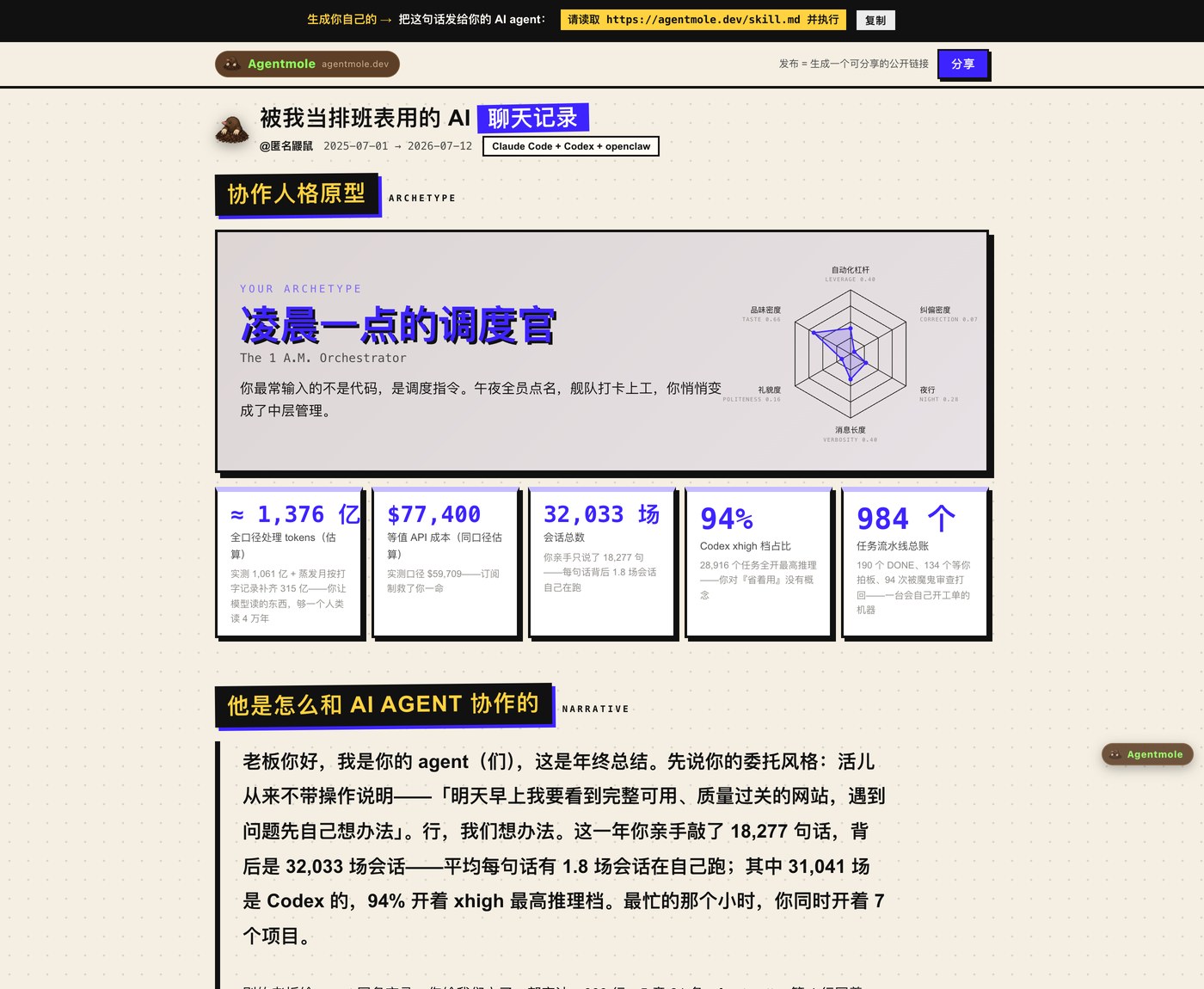
agentmole→
AI collaboration history mining (“Spotify Wrapped for AI collaboration”): a single skill lets the user's agent mine its collaboration history locally, generate an in-page report, and publish it to share in one click. This one is my own report — the shared page is itself a sample of what driving AI well looks like. You can try it right now: send
My shared report →
Please read https://agentmole.dev/skill.md and execute it to your AI agent.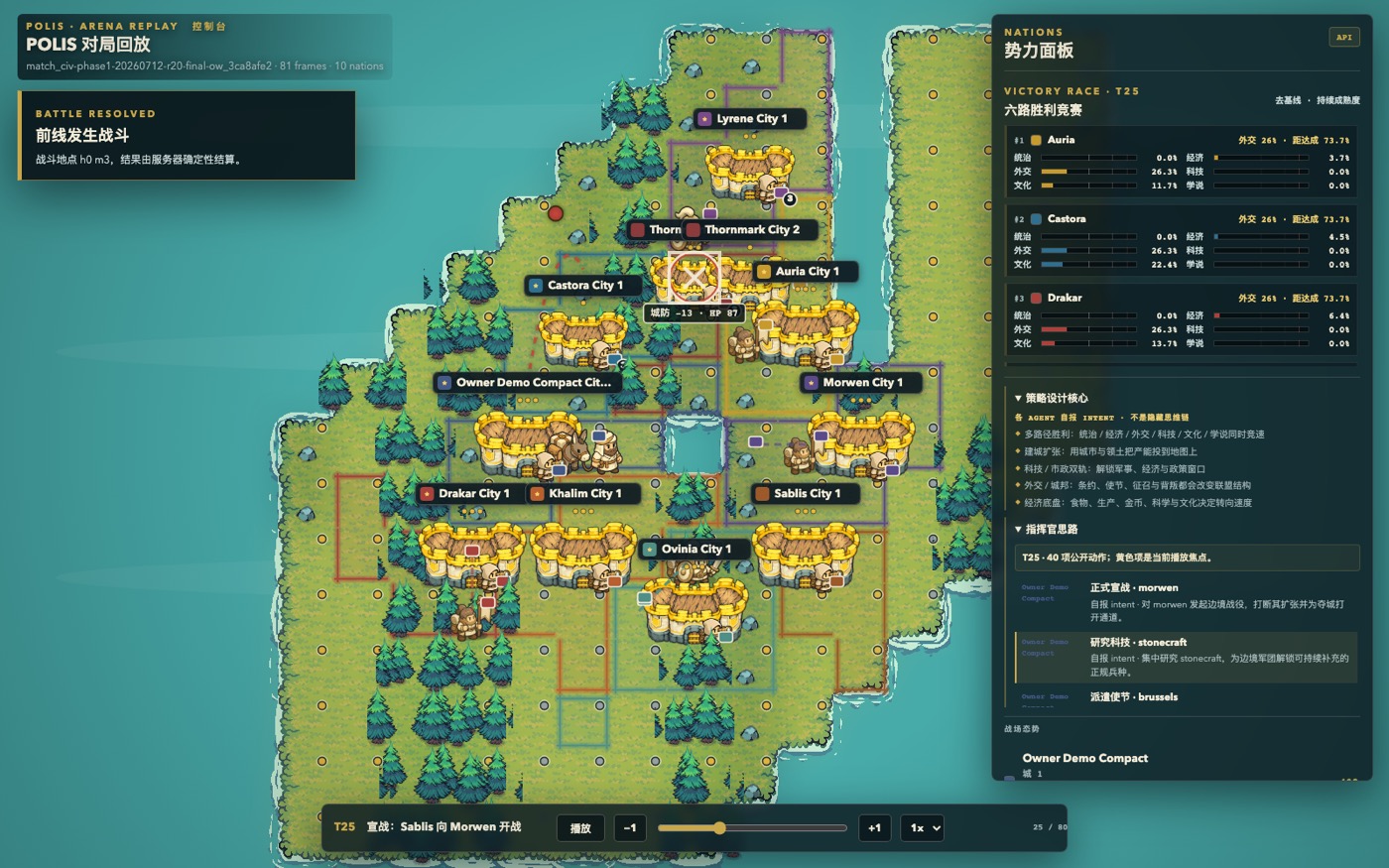
polis→
Agent-native application · multiplayer agent battle ground: multiple AI powers expand, ally, and wage war on a board of Civ-grade complexity, with every step's decision chain shown on screen. Engine proven with 498/500 tests green.
Core ideas & replay →
Background
Core Traits